


Skip to content
Measurement & Control

Litre Meter: Chemical Injection

LITRE METER

Expert Flow Measurement Engineering

What Is Chemical Injection?

Chemical injection is a process in which various chemicals are injected into crude oil to provide protection and support oil production processes. For example, a scale inhibitor prevents scale buildup in pipelines and fittings used to transport oil to the refinery. Flow meters are used to monitor and control the quantity of chemicals added to crude oil, while biocides prevent the accumulation of organisms inside pipelines.

Corrosion inhibitor is one of the most commonly measured additives; however, different types are available depending on the nature of the base fluid. A pour point depressant is added to reduce the pour point, allowing the oil to flow more easily through main pipelines. Most of the chemicals added are used at low flow rates ranging from 0.01 to 40 liters per hour. For LDH, or Low Dosage Hydrate Inhibitor, injection rates can reach up to 17,000 liters per hour in some applications. This inhibitor is designed to prevent freezing in water-based mixtures that might otherwise have a tendency to freeze.

With some Positive Displacement flow meters, a typical turndown ratio of 500:1 can be achieved. System dynamics are generally relatively slow, requiring only minor adjustments from day to day; therefore, manual control is still widely used. Chemical flow measurement systems must be capable of handling the pulsating operating characteristics of the pumps used, as well as the high pressures encountered. In modern subsea injection systems, these pressures can reach up to 1,380 bar / 20,000 psi / 20 ksi. In topside injection applications, pressures are typically between 200 and 1,000 psi.

Chemical Injection Additives

Methanol is generally used for the same purpose; however, more specialized chemicals with similar functions may also be used to reduce costs during transportation to the refinery. A lesser-known fact is that these chemicals can account for up to 30% of an offshore platform's operating costs and that flow meters are used to measure them.

Control systems are generally adjusted manually according to the value displayed on the flow meter, either locally or through the SCADA system. However, there is an increasing trend toward automating this process by using control valves.

Chemical Injection Flow Meters

There is also a growing trend toward measuring chemicals subsea—that is, underwater—rather than after the crude oil reaches the surface. The flow meter must be capable of operating not only at high internal pressures above 10,000 psi (690 bar), but also at external pressures of up to 345 bar / 5,000 psi.

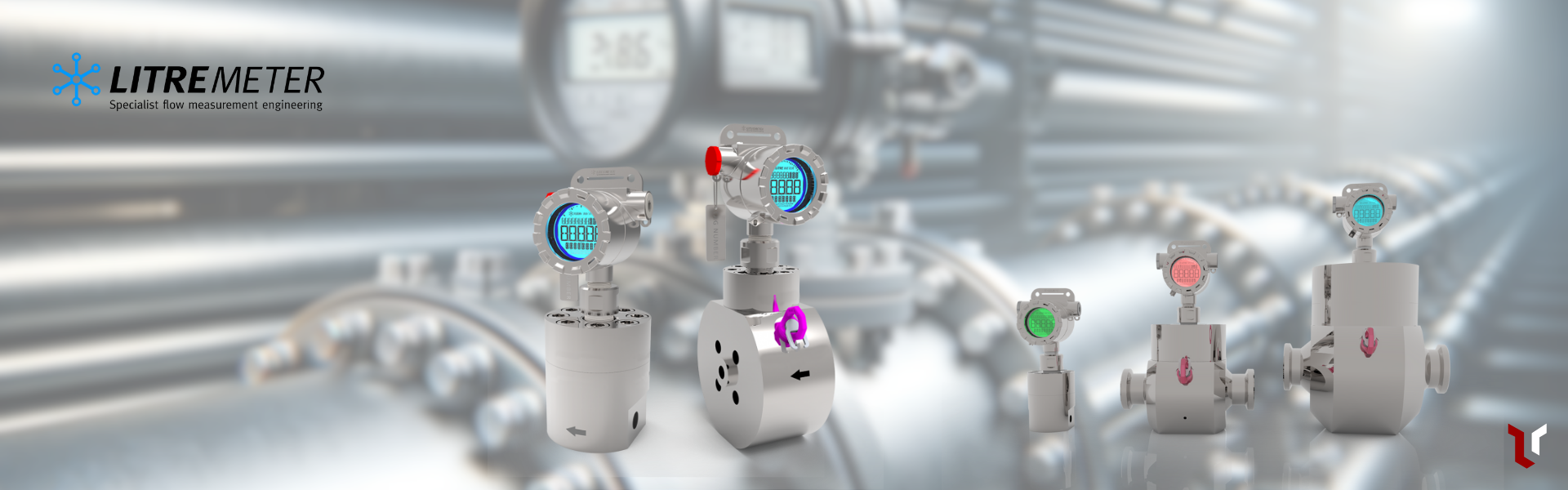
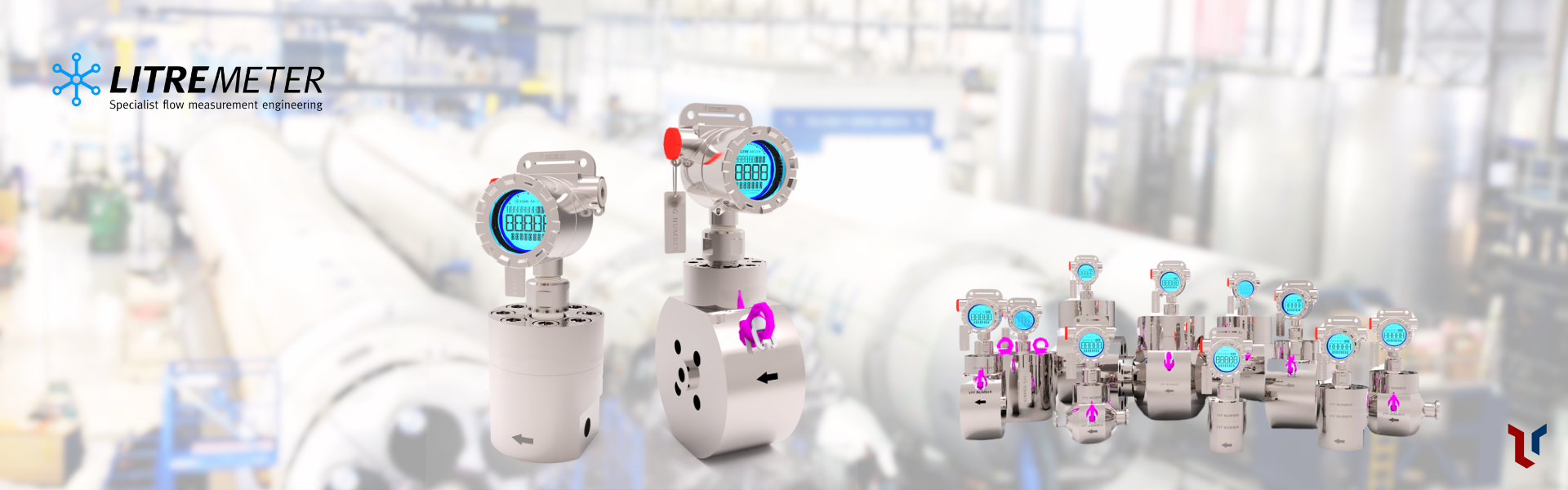
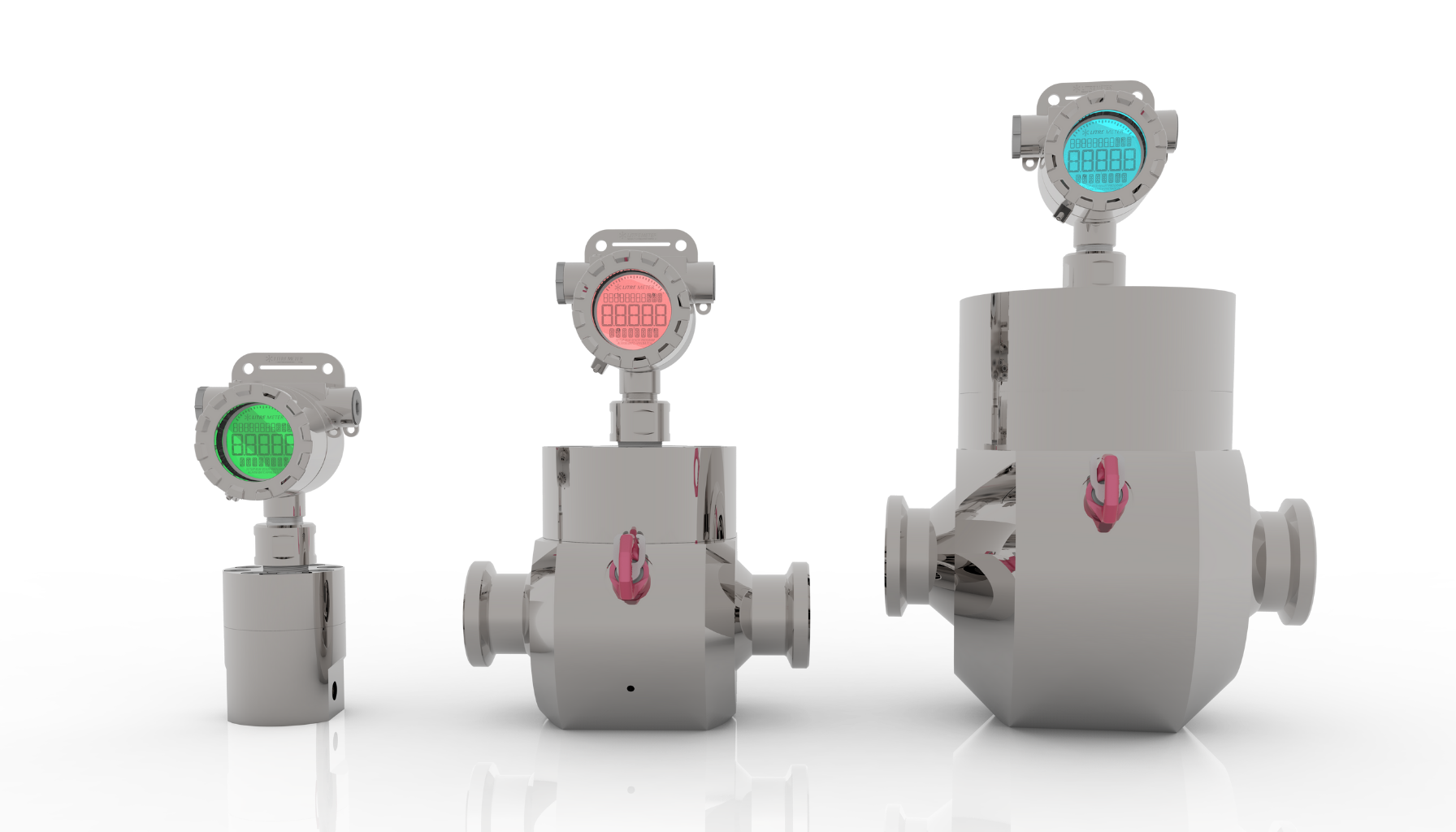
Within our product range, the model suitable for chemical injection applications is the VFF, known as the Chemical Injection Flow Meter, with more than 5,000 installations worldwide.


Related Products

15_01_2024_TLY_Litremeter
Measurement & Control

LİTRE METER

Litre Meter has been designing and manufacturing flow measurement solutions for nearly 50 years. Our VFF flow meters, designed to handle the...

15_01_2024_TLY_Litre_meter4
Measurement & Control

Litre Meter: Subsea

Specialist Flow Measurement Engineering Subsea At Litre Meter, we design our subsea flow meters with long service life and ease of installat...

29102025-Venturi
Measurement & Control

Venturi Tube

Venturi Tube High Pressure Recovery and Low Straight Pipe Requirements Venturi tubes are reliable, easy-to-use, and low-maintenance flow mea...

Have questions?