Description
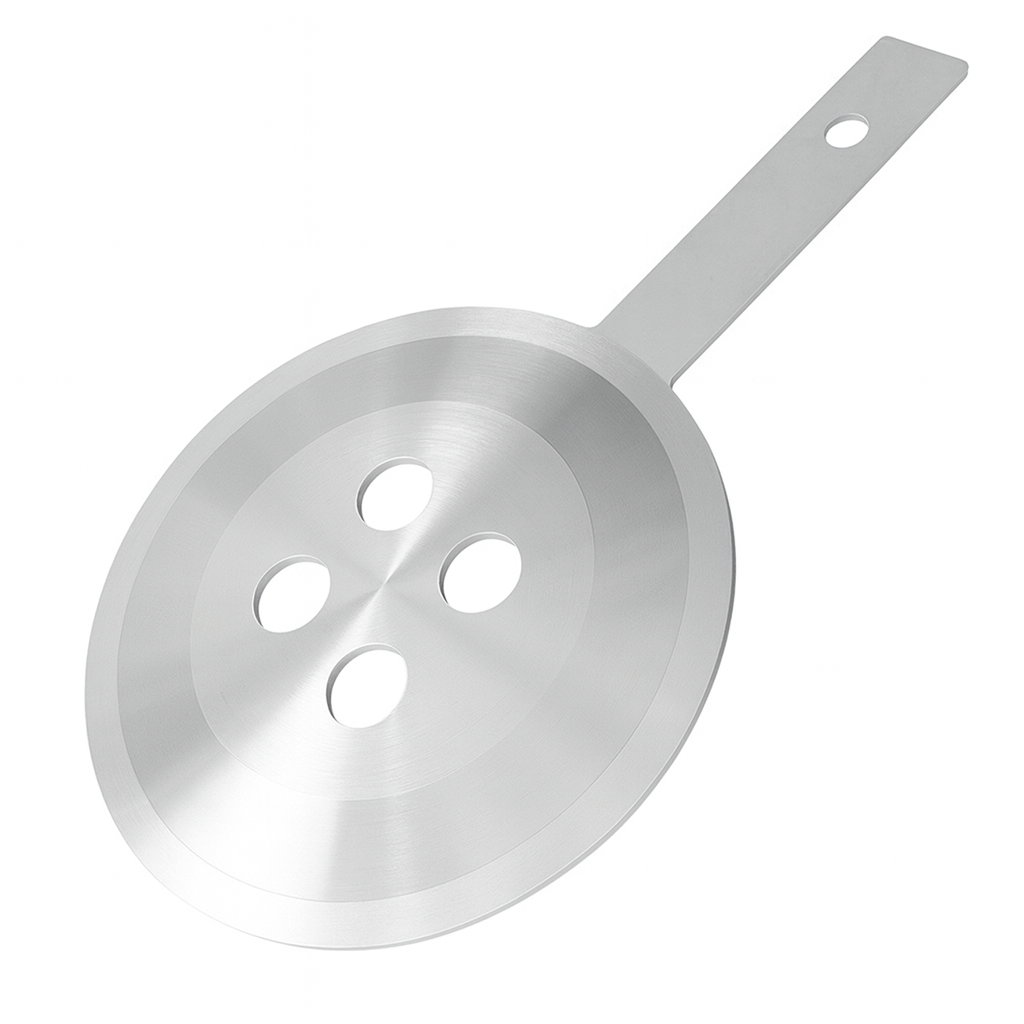
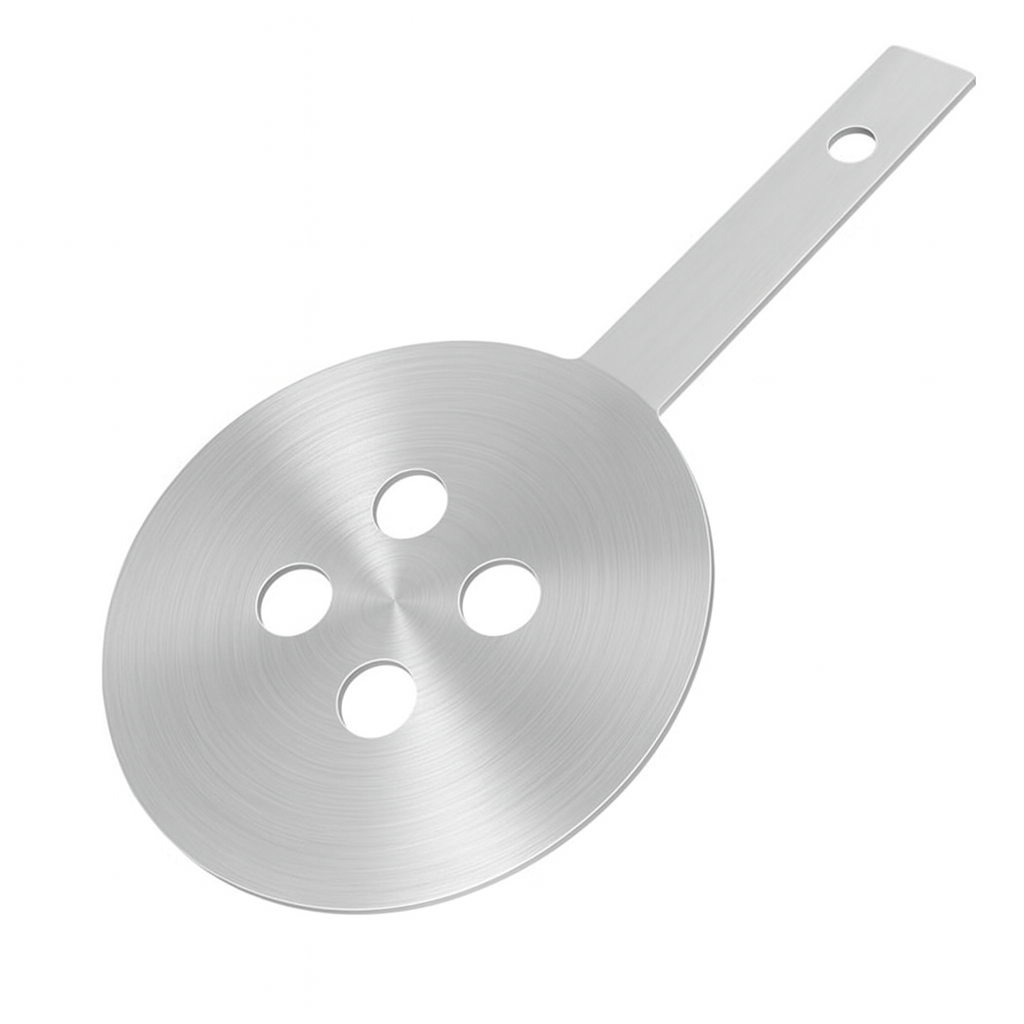
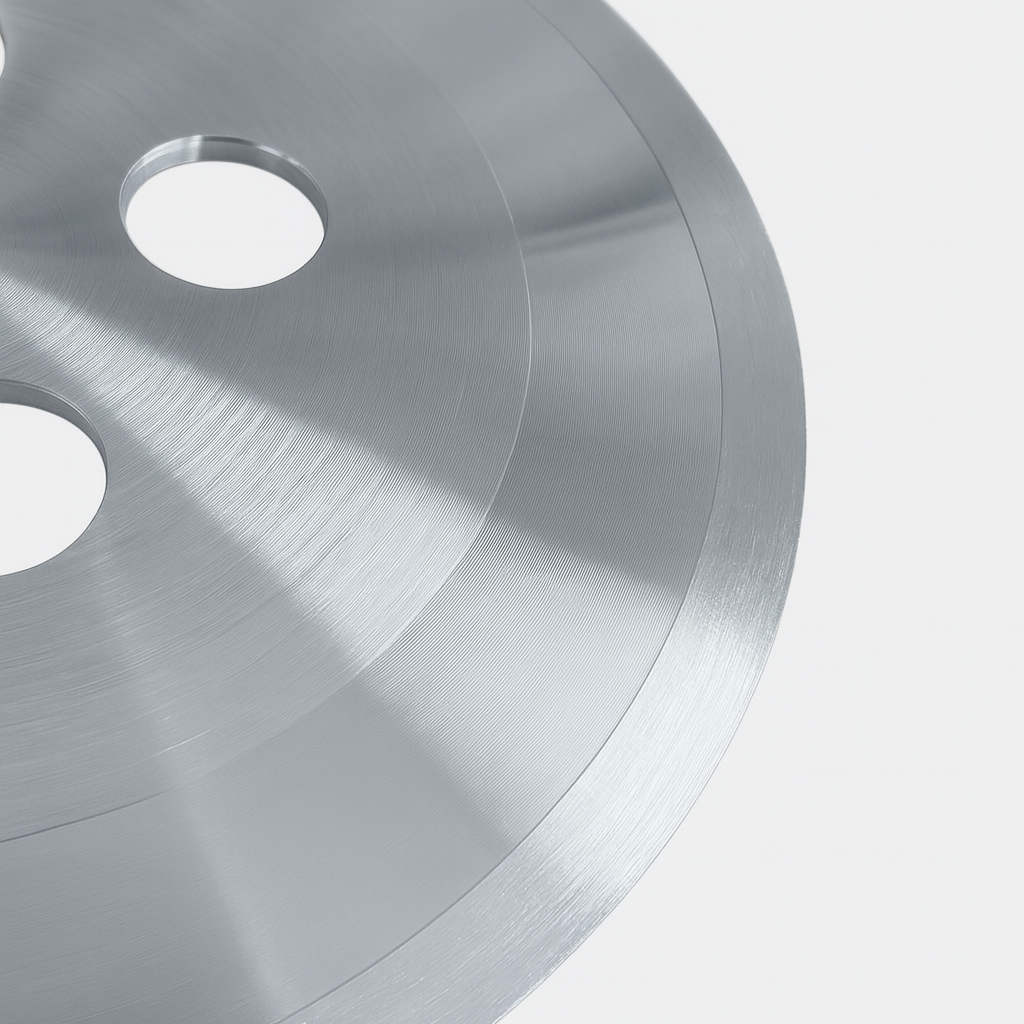
Multi-hole orifice plates are a type of orifice plate similar to square-edged, eccentric, or segmental orifice plates. The main difference is that they feature four holes arranged radially around the center of the plate.
The FLC-MP model requires only 2 pipe diameters of upstream straight pipe and 2 pipe diameters of downstream straight pipe.
This configuration allows multi-hole orifice plates to provide a more balanced and uniform flow profile.
As a result, measurement accuracy is improved while flow disturbances are minimized, delivering high performance even with short upstream and downstream pipe sections.
A Simple and Cost-Effective Solution
Thanks to their flow-conditioning effect and ease of installation, FLC-MP multi-hole orifice plates offer economical and flexible solutions for a wide range of applications.
Multi-hole Orifice Plate
Beyond International Standards
Multi-hole orifice plates are designed and manufactured in accordance with WIKA standards, based on the requirements of ISO 5167, AGA Report No. 3, and ASME MFC-3M.
In addition, Computational Fluid Dynamics (CFD) simulations and analyses have been utilized. The results of these analyses demonstrate that the deviation in the discharge coefficient does not exceed 2% compared to standard solutions.
Optimized to Meet Customer Requirements
Our multi-hole orifice plates are suitable for liquid, gas, and steam flow measurement and are optimized according to customer requirements.
They provide an excellent fit for the specific requirements of each application.
The hole diameters are calculated to generate the specified differential pressure at full-scale flow.
Applications
Power Generation
Oil Production and Refining
Water Treatment and Distribution
Gas Processing and Transmission
Chemical and Petrochemical Industries
Special Features
Suitable for installations with short straight pipe sections
Suitable for liquid, gas, and steam flow measurement
Compact version available
Accuracy: 1% to 2% (depending on beta ratio and Reynolds number)
Repeatability: 0.1% (of flow rate)
Technical Specifications
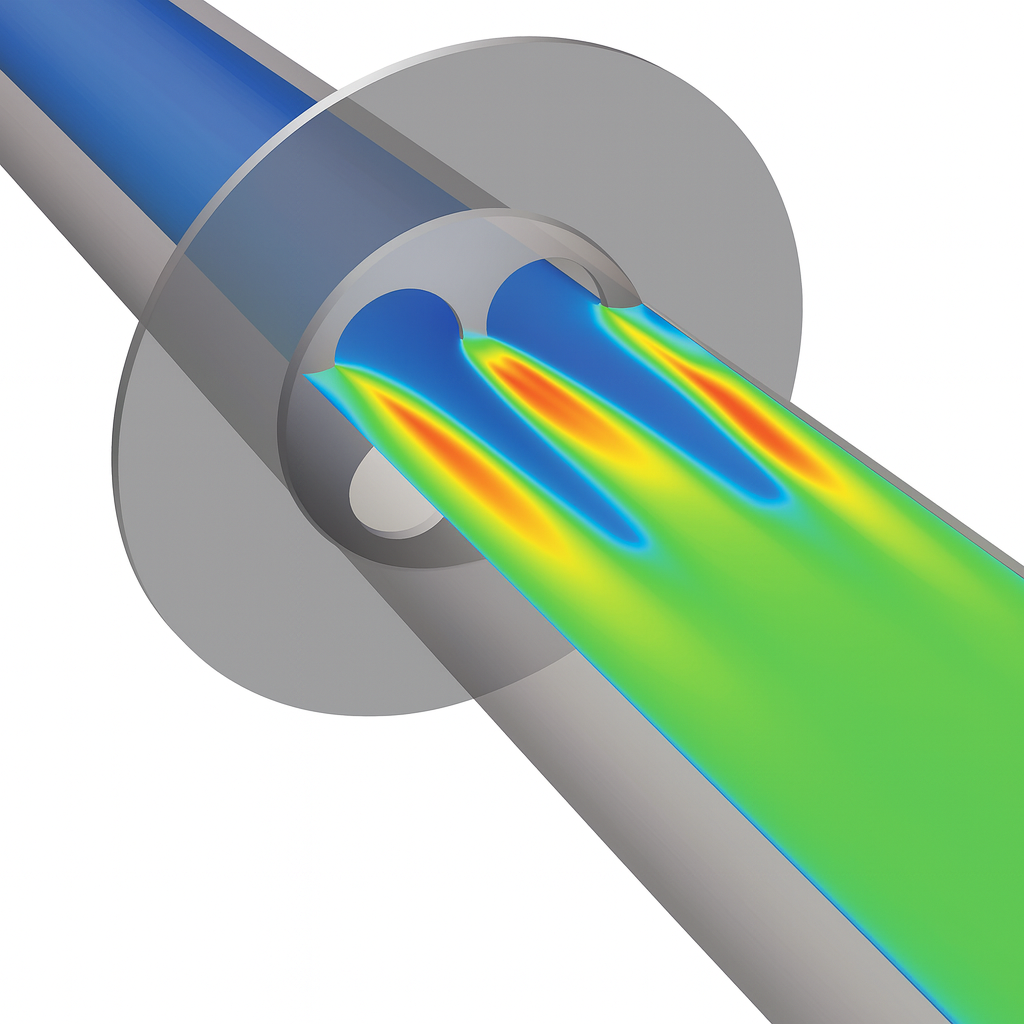
Flow Principle (CFD Analysis)
The flow profile optimized through Computational Fluid Dynamics (CFD) analysis illustrates the symmetrical velocity distribution created by the holes in the plate along the direction of flow.
This design provides lower turbulence and more stable measurement compared to standard orifice plates.
Basic Information
Feature | Value / Standard |
Surface Finish Standards | API 6A, ASME B16.36, ASME B16.47 Form A, ASME B16.47 Form B, BS 1560, EN 1092-1
→ Other standards are available upon request. |
Pressure tappings | Flange / Corner |
Nominal size (DN) | 2" … 24" (daha büyük ölçüler talep üzerine) |
Nominal Pressure Rating | 150 … 10.000 psi (10 … 769 bar) |
Beta Ratio (β) | 0,2 … 0,65 |
Accuracy | %1 … %2 (Depending on the beta ratio and Reynolds number.) |
Repeatability | %0,1 (Flow Rate) |
Maximum Operating Pressure and Temperature | Limited only by the material and flange pressure rating. |
Structural Characteristics
Feature | Value / Description |
|---|
Materials | Stainless steel (SS 316) – standardSuperior material alternatives available upon request |
Mounting Type | RF (Raised Face) or RTJ (Ring Type Joint) flanges |
Minimum Straight Pipe Length | 2 × D (upstream)2 × D (downstream) |
Available Gasket Types | Raised Face (RF) – 125 … 250 AARH or 250 … 500 AARHRing Joint Gasket – Octagonal or Oval |
Dimensions (mm / inches)
Dimensions of Multi-Hole Orifice Plates for Raised Face (RF) Flanges
Nominal Diameter (inches) | Plate Thickness (mm) |
|---|
2" … 6" | 3 mm [0.12 in] |
8" … 14" | 6 mm [0.24 in] |
16" … 24" | 10 mm [0.39 in] |
Other plate thicknesses can be manufactured upon request.